- English
- Español
- Português
- русский
- Français
- 日本語
- Deutsch
- tiếng Việt
- Italiano
- Nederlands
- ภาษาไทย
- Polski
- 한국어
- Svenska
- magyar
- Malay
- বাংলা ভাষার
- Dansk
- Suomi
- हिन्दी
- 繁体中文
- العربية
- Indonesia
- فارسی
- Eesti Keel
- Srpski језик
- Afrikaans
- icelandic
- беларускі
- Hrvatski
- ភាសាខ្មែរ
- ქართული
- Maori
- Тоҷикӣ
- O'zbek
- Հայերեն
- Lietuvos
- שפה עברית
- Pilipino
- Türkçe
- Gaeilge
- Norsk
- český
- ελληνικά
- український
- български
- ລາວ
- Latine
- Қазақша
- Slovenský jazyk

How Does a Dante Converter Improve Audio Networking Performance?
Abstract: Dante Converters are pivotal in modern digital audio networks, allowing seamless audio transmission over Ethernet. This article explores the technical specifications, applications, and frequently asked questions about Dante Converters, providing a detailed guide for audio engineers, system integrators, and tech enthusiasts. The discussion covers key parameters, operational benefits, troubleshooting, and practical use scenarios, highlighting Shenzhen FHB Audio Technology Co., Ltd.'s contributions to professional audio solutions.
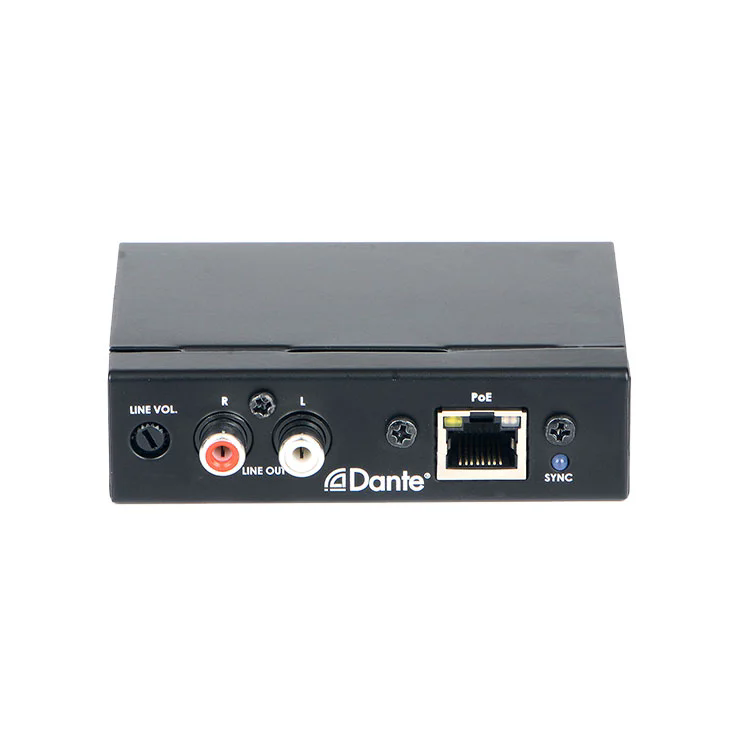
Table of Contents
- Node 1: Introduction to Dante Converter and Product Specifications
- Node 2: Applications and Integration of Dante Converters
- Node 3: Common Questions About Dante Converter
- Node 4: Future Outlook and Contact Information
Node 1: Introduction to Dante Converter and Product Specifications
Dante Converter is an advanced device designed to facilitate high-quality audio transmission over standard IP networks. It supports multiple audio channels with low latency, making it ideal for professional audio installations, live events, and broadcast studios. The central focus of this article is to provide a comprehensive understanding of Dante Converters, including technical specifications, operational insights, and best practices for deployment.
Product Overview
Dante Converters by Shenzhen FHB Audio Technology Co., Ltd. are engineered to bridge analog and digital audio systems, supporting both input and output functionalities. They utilize Dante networking protocols for efficient audio streaming, ensuring minimal signal degradation and latency across Ethernet networks.
Technical Specifications
| Parameter | Specification |
|---|---|
| Audio Channels | 8x8, 16x16, or 32x32 |
| Sample Rate | 44.1 kHz, 48 kHz, 96 kHz |
| Bit Depth | 16-bit, 24-bit |
| Latency | As low as 1 ms |
| Network Protocol | Dante, IEEE 802.3 Ethernet |
| Connectivity | RJ45, Fiber Optic (optional) |
| Power Supply | PoE or 12V DC |
| Operating Temperature | 0°C to 45°C |
| Dimensions | 1U Rack Mount or Compact Desktop |
| Weight | 2-5 kg depending on model |
The detailed specifications indicate the versatility and robustness of Dante Converters, which are capable of integrating into both small and large-scale audio networks.
Node 2: Applications and Integration of Dante Converters
How Are Dante Converters Used in Professional Audio?
Dante Converters are widely applied in live sound systems, recording studios, broadcast facilities, and corporate audio-visual installations. They facilitate seamless audio routing, network redundancy, and real-time audio monitoring without requiring dedicated analog cabling.
What Are the Steps to Integrate a Dante Converter into an Existing Network?
- Connect the Dante Converter to the Ethernet network using an RJ45 or fiber optic cable.
- Configure IP addresses and network settings using Dante Controller software.
- Assign audio channels and routing paths within the Dante Controller interface.
- Test the audio stream for latency, synchronization, and signal integrity.
- Implement redundant network pathways if necessary to ensure uninterrupted performance.
Why Is Low Latency Critical in Dante Audio Networking?
Low latency is essential for live sound and broadcast applications where audio-visual synchronization is crucial. Dante Converters achieve latency as low as 1 millisecond, ensuring that audio signals remain in perfect alignment with video or other audio streams.
Node 3: Common Questions About Dante Converter
Q1: How many audio channels can a Dante Converter support simultaneously?
A Dante Converter can support between 8x8 and 32x32 channels, depending on the model. The choice of converter should align with the network's scale and channel density requirements.
Q2: How does Dante Converter handle network redundancy?
Dante Converters support Primary and Secondary network interfaces to provide automatic failover. If the primary network path fails, the secondary path ensures continuous audio transmission without interruption.
Q3: How to troubleshoot audio dropouts in a Dante network?
Audio dropouts can result from network congestion, incorrect IP configuration, or bandwidth limitations. Using Dante Controller software, network paths, channel assignments, and latency settings should be reviewed. Upgrading to Gigabit Ethernet switches and implementing QoS (Quality of Service) can also prevent dropouts.
Q4: Can Dante Converters integrate with non-Dante audio systems?
Yes, by using analog or AES3 input/output options, Dante Converters can bridge traditional audio systems with modern Dante networks, allowing seamless integration across legacy and contemporary setups.
Q5: How to configure Dante Converters for multiple sample rates?
Dante Converters support multiple sample rates including 44.1 kHz, 48 kHz, and 96 kHz. Sample rate conversion can be configured in the Dante Controller software, ensuring compatibility between devices with different audio formats.
Node 4: Future Outlook and Contact Information
What Are the Trends in Dante Audio Networking?
Audio networks are increasingly moving toward IP-based infrastructures due to flexibility, scalability, and cost-effectiveness. Dante technology is central to this evolution, offering multi-channel, low-latency audio streaming over standard network infrastructure. The future includes higher channel density, enhanced synchronization, and integration with AI-powered audio management systems.
How Does Shenzhen FHB Audio Technology Co., Ltd. Contribute to Dante Converter Innovation?
Shenzhen FHB Audio Technology Co., Ltd. has developed a range of high-performance Dante Converters that combine reliability, advanced network compatibility, and easy deployment. Their products cater to professional sound engineers, live events, and complex broadcast setups, ensuring consistent audio quality and network stability.
Contact Information and Further Assistance
For further inquiries, technical support, or purchasing options, contact us at Shenzhen FHB Audio Technology Co., Ltd. Our team provides comprehensive guidance on selecting the right Dante Converter model and configuring it for optimal performance in any audio environment.